Perhaps you saw the BBC/PBS series, The Durrells in Corfu, which is sort of based on the stories in this book. It disappointed me. But it would have been impossible, I think, to capture what makes this book special in a TV series – it would need to have long stretches of wildlife photography, straight from Nature, interspersed with slapstick comedy of the family, all told from the viewpoint of a young boy. Instead we ended up with a show designed to appeal to BBC/PBS demographics: women old enough to have money to donate; women who perhaps dream of running away to Corfu, a la Summer in Tuscany.
It’s not the same thing.
The book captures a young boy’s memory of a long summer (which lasted years) in Corfu, where his family retreats after one too many soggy British winters of colds and insolvency. The days are long and filled with young Gerry lying on his stomach observing trap door spiders or scorpions or dung beetles; or roaming freely and unsupervised among the vineyards and fields where he follows tortoises; inviting himself along with fishermen to observe octopus; befriending murderers on day-release from a small island prison who are delighted with his obsessions and gift him gulls with beaks like razors. All of which he brings home to share with his unappreciative relatives.
Most of the book focuses on these adventures.
Interspersed with these recollections are stories of his family: his mother, obsessed with cooking and a little scatter-brained; his eldest brother, the bohemian-leaning poet and novelist, who took himself and his work so seriously; his other older brother who he portrays as a gun-mad hunter and sportsman; and his sister, awkwardly boy-mad – and all their friends and neighbors. he skewers them with all the spirit of Sam’s little brother in Sixteen Candles: “classic.”
Durrell wrote this book, he explains in one of his other books, to finance his zoo. I have a whole shelf of his other books, books about his adult journeys around the world, where he observed animals in the wild and captured them for zoos. And then watched the zoo’s kill those charming beasts through negligence and ignorance. He wanted to start his own zoo, where the purpose would be less entertaining visitors and more preserving of endangered species.
So he wrote this book. And then another and another and another. And eventually he released enough to fill a whole shelf in my collection.
This book lifts my heart like a childhood summer vacation. I, like Gerry, would leave home at the crack of dawn, roam wild throughout the day, and drift home as the sun set. I would like to tell you that I was observing nature in detail; but I wasn’t that kind of kid. I was riding my bike into sign posts, sneaking into neighbor’s yards to play unsupervised on their trampolines, wandering down dry arroyos, and playing Charlies Angels among rocks and canyons with my Girls Scout buddies.
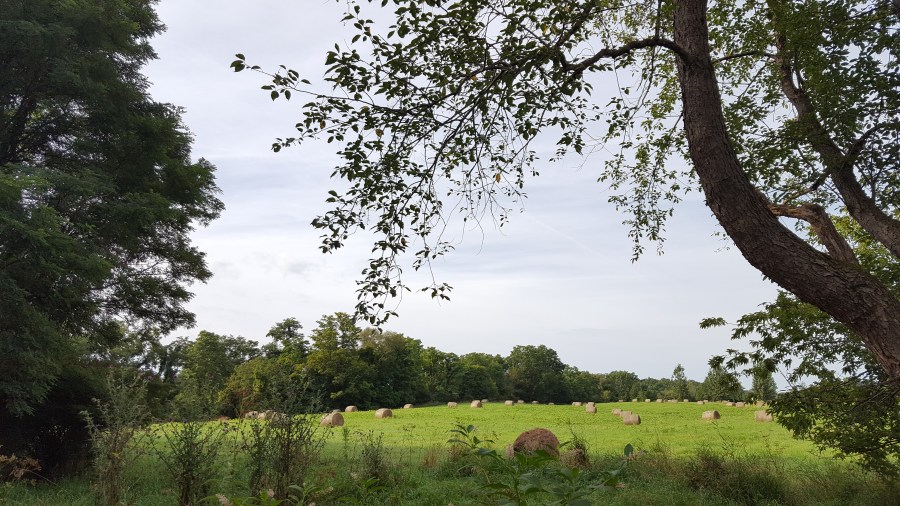
There’s something about breaking loose for a long day even now, wandering alone through the fields – or, more often for me, through Central Park – without a plan, without a route, allowing yourself to follow where your curiosity takes you. Sometimes when I’m out, I hear a bird I haven’t heard before, or perch on a rock and watch dogs dancing in the autumn wind, or wander among flowers. (And, sometimes, appreciate the foibles of the humans I encounter on my journeys. Grown-ups say the darndest things.)
When you’re feeling confined and depressed, walking – and walking in nature – helps you recover. It takes you out of yourself (and keeps you away from the TV and the fridge).
And, when the weather sucks, turn off the TV, put down your phone, and dip into My Family and Other Animals.
 Change+Management